Posted on Leave a comment

Aviation Explained: Can a Jet Really Run on Hydrogen?

Aviation Explained banner: an open book, a lightbulb, gears and a passenger jet in a blue-bordered frame

When Rolls-Royce and easyJet announced that they had run a modern aero-engine on 100% hydrogen, the headlines wrote themselves: the age of zero-carbon flight had arrived. The reality is more complicated — and more interesting. Aviation Explained looks at what it would actually take to fly the world’s airliners on hydrogen, and why a fuel so promising on paper remains so stubbornly difficult in practice.

Continue reading Aviation Explained: Can a Jet Really Run on Hydrogen?


Posted on Leave a comment

Structure: ‘Due to vs because’

Due to or because? Two ways to give a reason

When Air India announced that it would cancel 22% of its domestic flights for June and July, the coverage was full of reasons — soaring jet-fuel prices, a conflict near the Strait of Hormuz, and costs the carriers simply could not absorb. In English, the words you choose to introduce a reason depend on what comes next.

Because introduces a full clause (a subject and a verb). Because of and due to introduce a noun phrase, which has no verb of its own. The meaning is the same; the grammar is not.

Continue reading Structure: ‘Due to vs because’
Posted on Leave a comment

Air India Cuts 22% of Flights as Fuel Costs Soar

Air India Airbus A321 in red and white livery cruising above clouds

Air India and IndiGo, India’s two largest airlines, have announced cuts to their domestic schedules after the Iran conflict drove aviation fuel prices to record levels. Air India will cancel 22% of its planned domestic flights for June and July 2026, while IndiGo has made comparable reductions. Both airlines say affected passengers will be rebooked or given full refunds.

Continue reading Air India Cuts 22% of Flights as Fuel Costs Soar

Posted on Leave a comment

Structure: ‘Comparatives and superlatives’

What are comparatives and superlatives?

When Hermeus flew its Quarterhorse Mk 2.1 past the sound barrier, every report wanted to know one thing: was it faster than anything a private company had flown before? To answer questions like that in English, we reach for comparatives and superlatives.

A comparative compares two things (the Mk 2.2 will be faster than the Mk 2.1). A superlative picks out one from a whole group (hypersonic flight is the company’s most ambitious goal).

Continue reading Structure: ‘Comparatives and superlatives’
Posted on Leave a comment

Hermeus Breaks Sound Barrier with Unmanned Jet at Mach 1.21

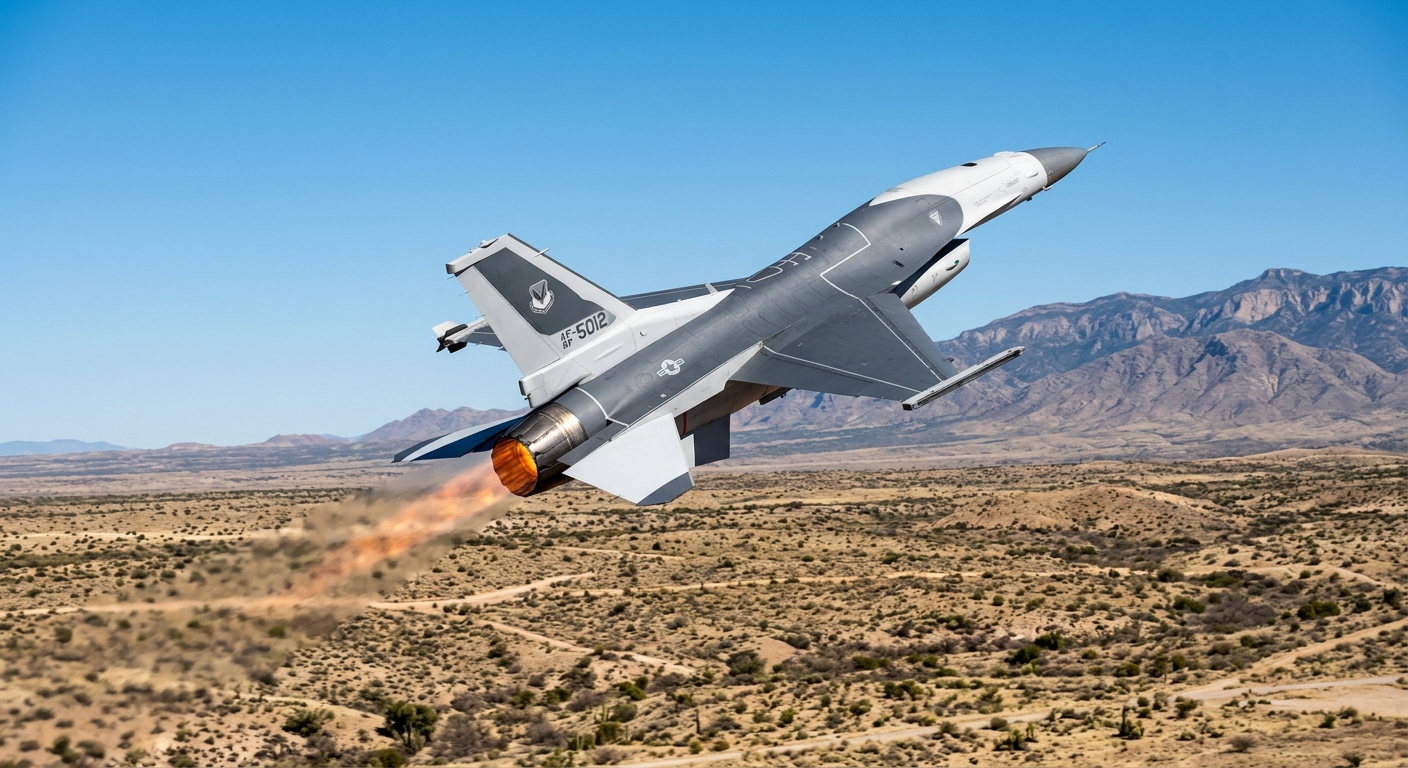
Hermeus Quarterhorse unmanned supersonic jet climbing over New Mexico desert with afterburner

An American aerospace company has broken the sound barrier for the first time as a private firm. Hermeus flew its Quarterhorse Mk 2.1 aircraft to Mach 1.21 on 26 May 2026. It was only the jet’s third test flight.

Continue reading Hermeus Breaks Sound Barrier with Unmanned Jet at Mach 1.21

Posted on Leave a comment

Vocabulary: Six Words from the Headlines

Word on the Wing banner: flat icons of a passenger jet, jet engine, control tower, runway and speed gauge

Word on the Wing: six words from the headlines

Welcome to Word on the Wing, our regular look at the aviation English behind the news. Below are six terms that turned up in recent aviation stories — from a budget airline’s collapse to a hydrogen-powered jet engine — each with a clear definition, an example, and a note on how to use it.

Continue reading Vocabulary: Six Words from the Headlines