
Posted on Leave a comment

Structure: ‘Modals of obligation’

What signal does a modal verb send?

A pilot reading an FAA airworthiness directive does not just read the words — they read the strength of the obligation each verb carries. Must, should and may sit on a sliding scale from legal requirement to optional suggestion, and confusing them can change a polite recommendation into a regulatory demand or vice versa.

Continue reading Structure: ‘Modals of obligation’
Posted on Leave a comment

Structure: ‘Participle clauses’

When are participle clauses used?

Skilled writers — particularly in journalism, safety reporting and academic prose — often replace full subordinate clauses with shorter participle clauses. The result is denser, more formal prose that packs context, cause and chronology into half the words.

Continue reading Structure: ‘Participle clauses’
Posted on Leave a comment

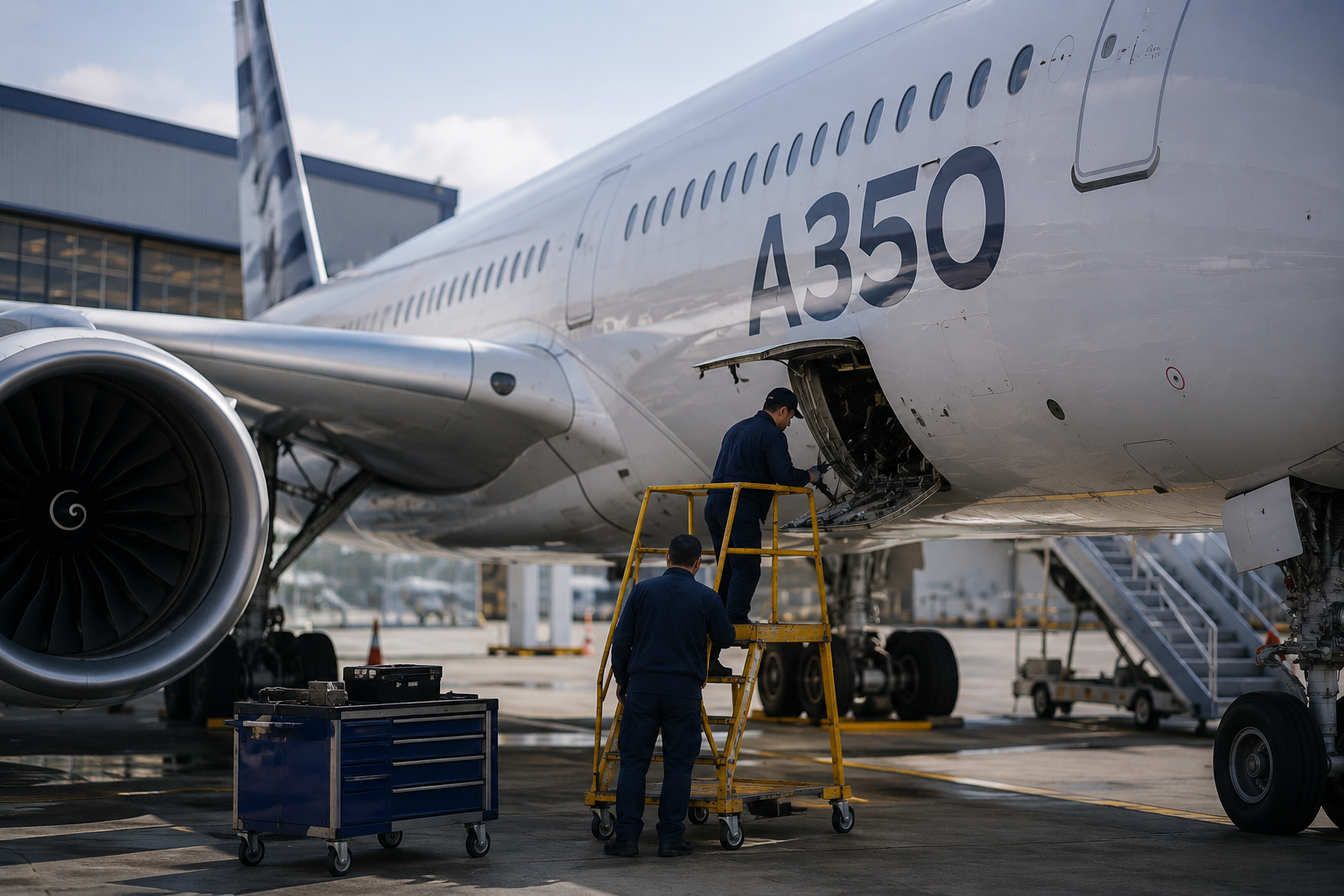
FAA Orders Airbus A350 Oxygen Clamp Fix

An A350 undergoes maintenance

The United States Federal Aviation Administration published a mandatory airworthiness directive on 14 May 2026 requiring operators of all Airbus A350-900 and A350-1000 aircraft to address an undocumented change in a key maintenance specification that could compromise emergency oxygen delivery during a cabin pressurisation failure. The directive takes effect on 18 June 2026, giving airlines fewer than five weeks to achieve compliance.

Continue reading FAA Orders Airbus A350 Oxygen Clamp Fix

Posted on Leave a comment

Structure: ‘The passive voice in formal writing’

Why does formal writing avoid naming who did what?

The passive voice reverses the usual sentence structure: instead of saying who performed an action, it focuses on what was done — and often omits the actor entirely. Active: “Boeing confirmed the deal.” Passive: “The deal was confirmed by Boeing.” In formal prose the agent (by Boeing) is usually dropped, since the action or outcome is the point, not who carried it out.

Continue reading Structure: ‘The passive voice in formal writing’
Posted on Leave a comment

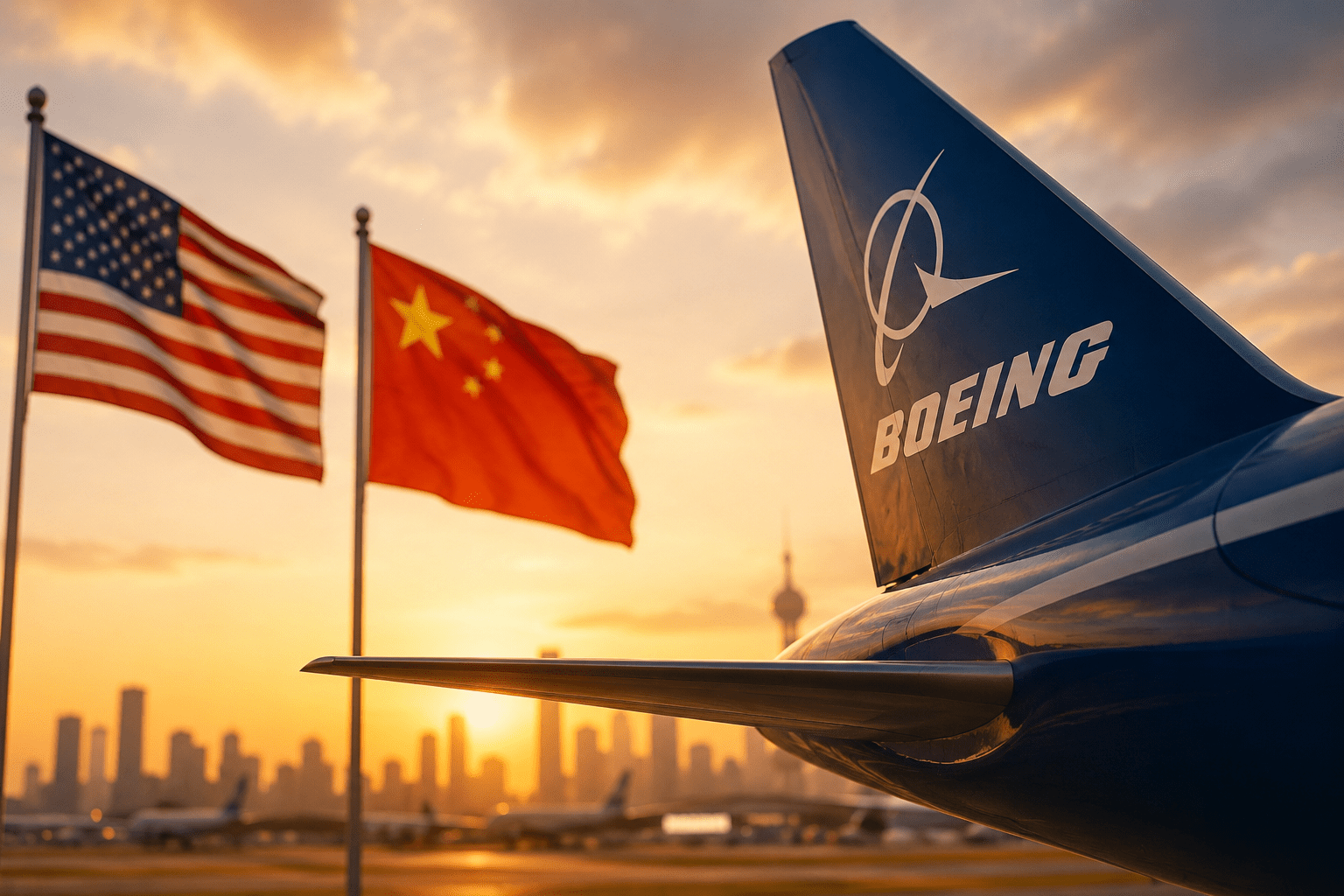
China Orders 200 Boeing Jets in Trump’s Trade Deal

China buys Boeing jets

In a significant breakthrough for both US-China commercial aviation and Boeing’s strained global order book, President Donald Trump announced on 14 May 2026 that China had agreed to purchase 200 Boeing commercial aircraft. The deal, confirmed by Boeing on 16 May, represents the planemaker’s first major re-entry into the Chinese market in nearly a decade, having been effectively locked out following a combination of the 737 MAX crisis, diplomatic tensions, and successive tariff rounds. With Trump suggesting the order could ultimately rise to 750 aircraft, the agreement stands as one of the more consequential commercial outcomes of his summit with Chinese President Xi Jinping.

Continue reading China Orders 200 Boeing Jets in Trump’s Trade Deal

Posted on Leave a comment

Structure: ‘Time clauses’

What is a time clause?

A time clause is a dependent clause that tells us when something happened. It is introduced by a time conjunction such as when, before, after, while, or as soon as. On its own a time clause is incomplete — it always attaches to a main clause to show how two events are related in time.

Continue reading Structure: ‘Time clauses’